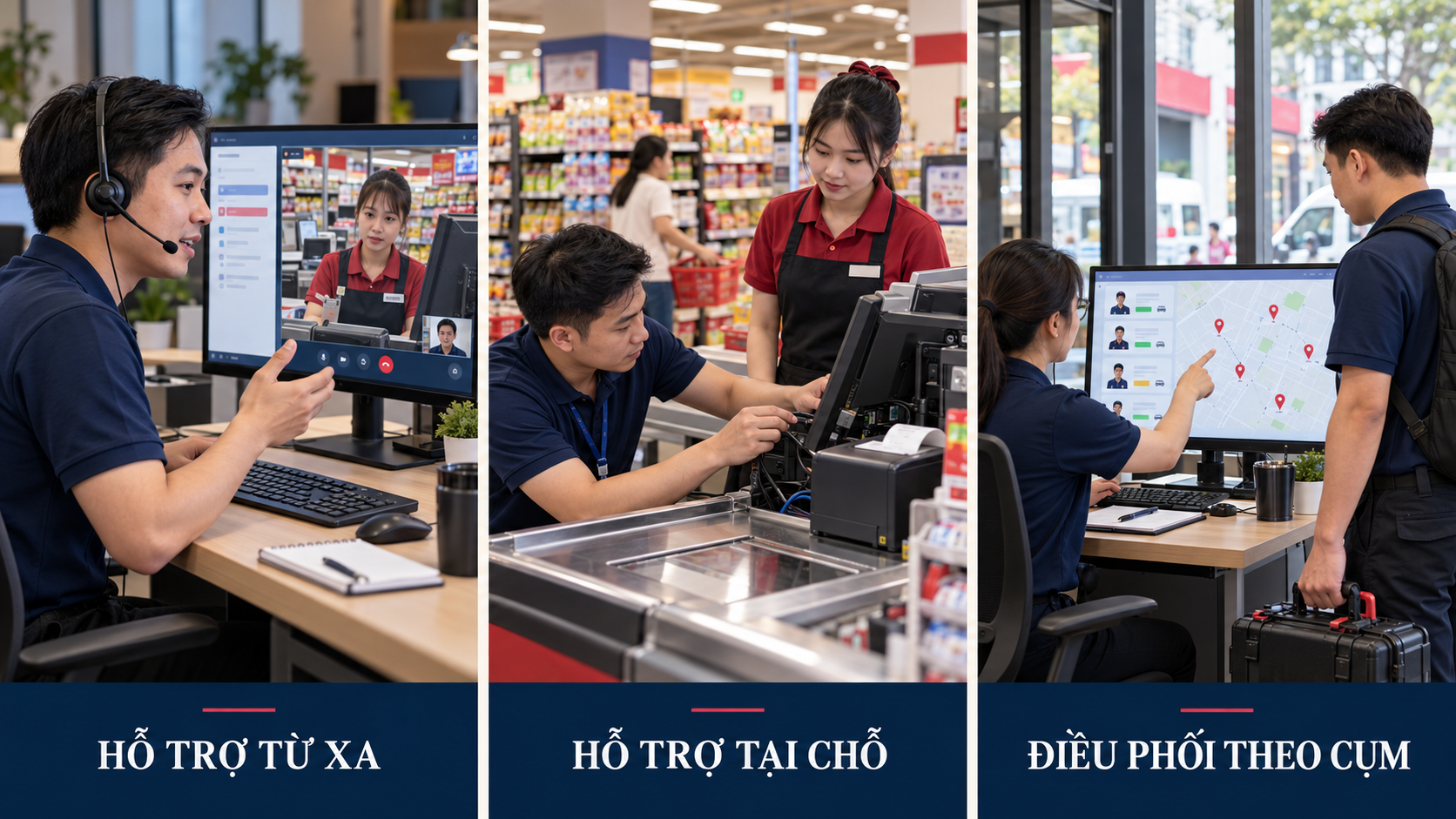
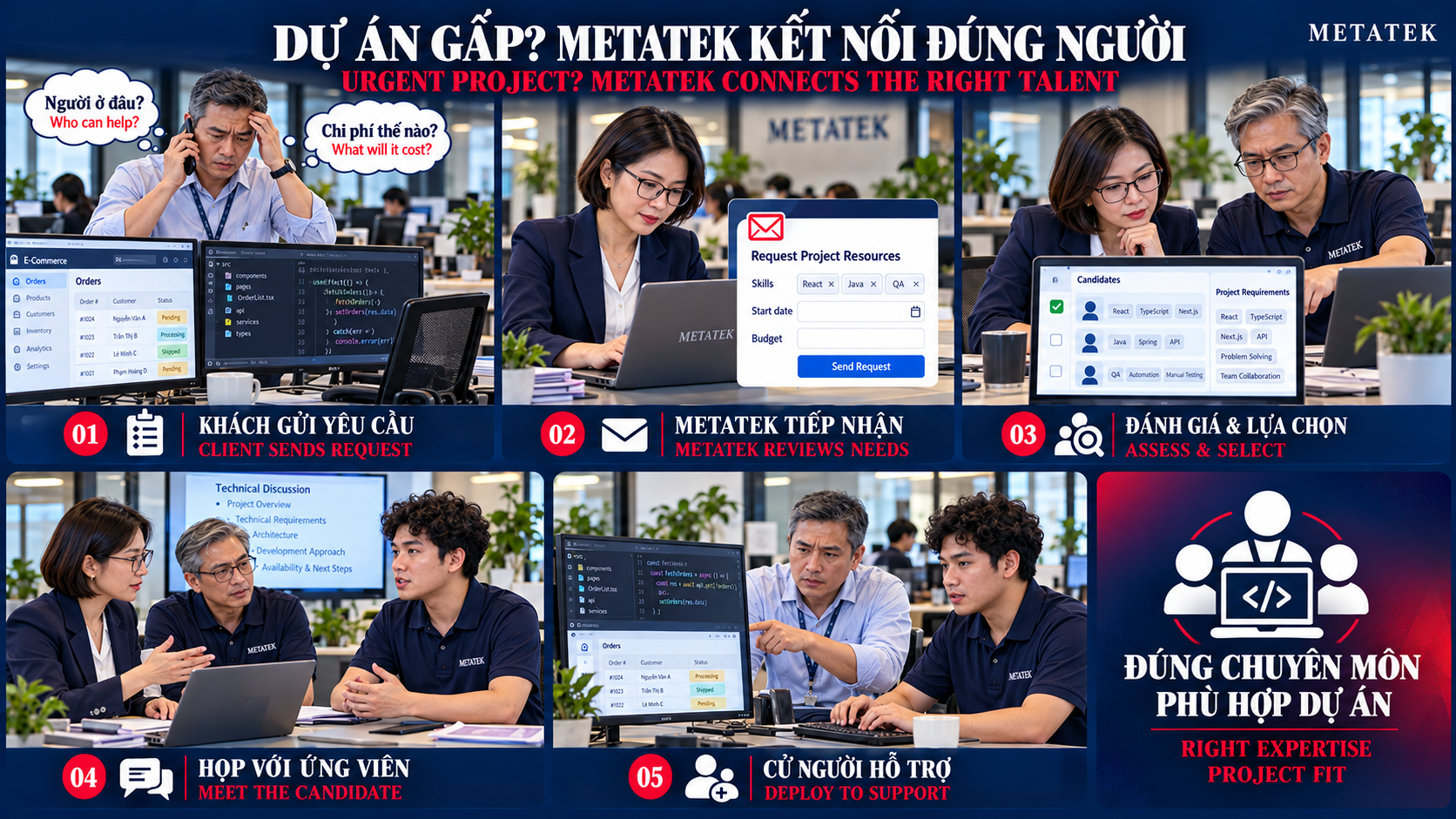
AI is changing how IT teams work. For businesses engaging external teams, the priority is their ability to turn technology into results: solutions that meet business requirements, controlled quality, transparent costs, and readiness for operation.
A development team can use AI to generate code, prepare documentation, and support testing faster. Yet businesses still need answers to practical questions: Will the system support their workflows? Can it integrate with existing applications? Who resolves defects? How will the internal team take over? Choosing an IT team in the AI era should therefore start with delivery capability and accountability for the agreed results. AI helps people work faster. Clients need to assess the whole delivery process. Atlassian’s State of Developer Experience 2026, based on a survey of more than 1,500 software practitioners, found that: • 87% of developers said AI helped them deliver work faster. • 28% reported noticeably less friction in their daily workflows. • 75% said they had greater responsibility for validating the quality and safety of AI-generated output. These are self-reported survey findings, rather than guaranteed productivity gains for individual projects. For clients, they point to an important requirement: assess performance from the moment a requirement is received through to acceptance and actual use.
From Metatek’s consulting perspective, six factors deserve attention when selecting a delivery partner.
1. Understanding the business work that needs to be completed
A profile listing many technologies does not, by itself, demonstrate an understanding of the client’s business. For a vendor portal, for example, the team needs to understand registration, approval, ordering, delivery, reconciliation, and access permissions. For a retail system, it needs to clarify store transactions, inventory data, accounting integration, and procedures for network outages. Clients should ask prospective partners to explain how they would approach a specific scenario: where the data originates, who makes decisions, how exceptions are handled, and what evidence confirms a successful result. Client value: fewer misunderstandings, less rework, and resources focused on activities that affect business operations.
2. Clear accountability for quality
AI can help teams produce more work. Delivery still requires the ability to assess designs, review code, test business processes, and resolve issues across systems.
DORA’s analysis published in March 2026 observed that time saved in code generation is frequently redirected toward review and verification. It emphasizes the importance of workflows, technical foundations, and testing in realizing AI’s benefits. Before engaging a team, businesses should establish: • Who approves technical approaches and reviews significant changes? • Who owns testing, defect tracking, and verification of fixes? • Who coordinates issues involving applications, data, and infrastructure? • Which criteria must be met before the system enters production? Team composition should reflect the work involved. Specialists may participate at particular milestones, while responsibility remains clearly assigned throughout delivery.
3. Costs linked to scope, quality, and progress
Day rates provide only part of the cost picture. Actual expenditure also depends on onboarding, coordination, defect correction, staff replacement, tools, and handover.
When a partner uses AI, clients should discuss how productivity benefits are reflected in the delivery plan: shorter timelines, more work within the same resources, or additional effort allocated to testing and documentation. The commercial model should also fit the engagement: • Time-based specialist support: agree on roles, expected workload, work confirmation, and budget limits. • A dedicated team: monitor team capacity, results from each delivery cycle, and resource adjustments. • A defined project scope: specify deliverables, acceptance criteria, dependencies, and change procedures. Client value: clarity about the capabilities being purchased, the results expected, and when additional budget decisions may be required.
4. Transparency about AI use with client information
External teams may access source code, business documents, system configurations, and company data. Rules for using AI tools should be agreed before access is granted. Clients should clarify which tools are permitted, what information can be submitted, how sensitive data is handled, and who approves exceptions. In its August 2026 analysis of AI-enabled outsourcing, ISG recommends transparency around AI use cases, testing evidence, and the areas requiring human oversight. Where AI directly participates in business processes, responsibilities need further definition: which steps involve recommendations, which actions may run automatically, and which decisions require approval by an authorized person. Client value: AI can be used within boundaries the business understands, controls, and accepts.
5. Effective collaboration with the internal team. Technical expertise needs to be supported by a practical working model.
Businesses should agree on delivery contacts, meeting schedules, request channels, response expectations, and escalation procedures. For remote or cross-border teams, this should also cover overlapping working hours, documentation language, and work handoffs. Progress reporting should help clients make decisions by showing: What has been completed — what is blocked — who needs to decide — which milestones are affected. The ability to explain issues clearly, raise concerns early, and propose workable options should be assessed during partner selection.
6. Handover that preserves the client’s ability to operate independently
A temporary outsourcing engagement often ends when the work is complete or the internal team is ready to take over. Handover planning should begin at the outset. Depending on scope, this may include source code under the agreed terms, configurations, operating instructions, integration documentation, test results, outstanding issues, and training for the receiving team. Clients should also understand who provides support after handover, for how long, and which circumstances require additional services. Client value: the business has the information and capabilities needed to continue using, managing, or extending the system after the external team leaves. Evaluate evidence before expanding the engagement When important requirements remain unclear, businesses can begin with a paid discovery or pilot phase with a limited scope and agreed deliverables. A concise evaluation framework can make discussions more concrete: What clients need to assess Evidence to request Business understanding Process descriptions, exception scenarios, and assumptions Delivery capability technical approach, key personnel, and assigned responsibilities Quality Test scenarios, verification results, and defect management procedures Resource effectiveness Accepted work, progress, and rework Handover readiness Documentation, guidance, and a transition plan Metrics should be considered together. Faster delivery creates value when quality, usability, and costs remain under control. Metatek: starting with the capabilities the client needs Metatek recommends selecting resources based on business objectives, the existing system landscape, internal team capabilities, and required milestones. This helps businesses determine whether they need a specialist, a team combining several disciplines, or a partner responsible for a defined delivery scope. In the AI era, a valuable IT team understands the work, uses tools responsibly, and helps clients achieve results they can verify.